

Marketing Funnels: Complete Guide to Turn Website Visitors into Loyal Customers and Increase Business Revenue
- July 28, 2026
- Uncategorized
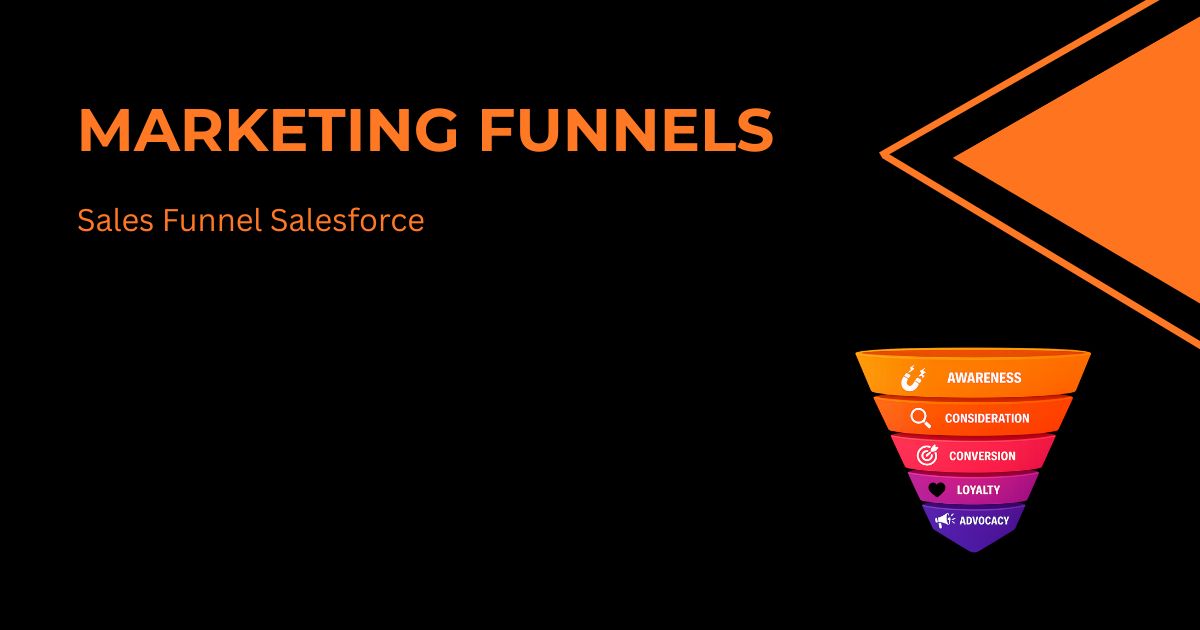
The Marketing Funnel: Why Customers Don't Buy the First Time They See You
I remember the first time a client got frustrated with me over this. He'd put up a few Instagram posts about his product, got a decent number of likes, and expected sales to just start rolling in. A week later, almost nothing. He looked at me and said, "People liked the post, why aren't they buying?"
That question, honestly, is the whole reason the marketing funnel exists as a concept. Because buying isn't a single moment — it's a journey. And most businesses, especially when they're just starting out, expect it to be instant. It rarely is.
People Don't Buy Strangers
Think about how you actually buy things in your own life. Do you see one ad and immediately hand over your money? Probably not, unless it's something dirt cheap and low-risk. For anything that actually matters — a course, a service, a slightly expensive product — you look around a bit first. Maybe you check their Instagram. Maybe you read a couple of reviews. Maybe you just want to see if they post consistently, because a business that vanished after three posts feels risky.
That hesitation isn't a flaw in your marketing. It's just how people are wired. Trust takes a few touches to build, and the funnel is really just a way of mapping out those touches so they happen intentionally instead of by accident.
Discovery: The First Touch
Every customer relationship starts somewhere, and these days, it's usually social media. A reel shows up on someone's explore page. A friend tags them in a post. They stumble across a WhatsApp status update from a business they follow.
At this stage, nobody's thinking about buying. They're just noticing you exist. I've seen businesses waste this stage by immediately going for the hard sell — "BUY NOW, LIMITED STOCK" — on the very first thing a stranger ever sees from them. It rarely works, because you're asking for commitment before you've earned an ounce of trust.
What works better is content that makes someone stop scrolling because it's genuinely useful, funny, relatable, or well-made — not because it's shouting at them to purchase something.
Consideration: The "Let Me Check You Out" Phase
Once someone's aware a business exists, they usually don't buy right away — they investigate a little. This is where your website matters more than people give it credit for. A cluttered, confusing website with no clear information makes people bounce, even if the product itself is good. I've watched this happen more times than I can count — great product, weak website, and the sale just evaporates because the customer couldn't quickly find what they needed to feel confident.
This is also where email marketing quietly earns its keep. Someone signs up for a discount or a free guide, and now you have a way to stay in front of them without relying on an algorithm to show them your next post. A well-timed email that answers a common doubt, or shows a customer's real experience, does a lot of heavy lifting here.
Decision: Where WhatsApp Changes Everything
This is the stage where I've seen the biggest shift in the last couple of years. In India especially, a lot of buying decisions now happen in a WhatsApp chat, not on a checkout page. Someone's 90% convinced, but they have one small question — "does this come in another color," "can I get this by Friday" — and how quickly and warmly that gets answered often decides whether they buy or quietly disappear.
I've seen businesses lose sales not because their product was wrong, but because a WhatsApp message sat unanswered for six hours. And I've seen the opposite too — a fast, friendly reply turning a hesitant browser into a buyer within minutes, because it finally felt like there was a real person on the other end.
Loyalty: The Part Everyone Skips Too Fast
Here's something I wish more businesses understood earlier: the sale is not the finish line. It's honestly closer to the starting line of the relationship that actually makes a business sustainable.
A customer who buys once and never hears from you again is a customer you'll have to work just as hard to win back — or worse, lose entirely to a competitor. A customer who gets a genuine thank-you message, a helpful follow-up, or even just remembered on their birthday, sticks around. They tell people. They come back without needing another ad to convince them.
I've worked with small businesses that grew almost entirely on repeat customers and word of mouth, simply because they treated people well after the sale, not just before it. That's not a marketing hack — that's just decent human behavior applied consistently.
Why This Whole Thing Matters
The reason I explain the funnel this way — discovery, consideration, decision, loyalty — isn't to make it sound like a formula. It's because I've genuinely seen what happens when businesses skip stages. They post once and expect sales. They chase new customers non-stop while ignoring the ones who already bought. They treat every WhatsApp message like an obligation instead of a chance to build trust.
Marketing that actually works isn't about pushing harder at any single stage. It's about showing up consistently across all of them — being visible, being helpful, being reachable, and being someone worth sticking with. Sales are the outcome of that. They're not the strategy itself.
If there's one thing I'd want a business owner to take away from all this, it's that customers aren't being difficult when they don't buy immediately. They're just doing what any of us would do — taking their time to trust someone with their money. Respect that process, and the funnel takes care of itself.
More from our blog
See all posts
Recent Posts
- Instagram Growth Strategy: Proven Tips to Increase Followers, Boost Engagement, and Build a Strong Brand July 28, 2026
- Digital Marketing Trends 2026: Latest Strategies, Emerging Technologies, and Industry Insights Every Business Should Know July 28, 2026
- Local SEO Guide: Essential Strategies to Improve Local Search Rankings and Attract More Nearby Customers July 28, 2026